November 26, 2026
Maintaining a residential or commercial building requires consistent attention to structural components, and few assemblies protect an asset quite like the overhead covering. Daily exposure to direct sunlight, wind gusts, temperature swings, and severe weather places significant physical stress on materials. When minor issues arise, addressing them promptly preserves the integrity of the entire structure. Many property owners only consider the health of their overhead defense when visible water enters the living space, yet deterioration often begins long before water drips through a ceiling. Understanding how timely intervention prevents premature system breakdown provides the foundation for sound property stewardship. Routine upkeep, detailed inspections, and proper workmanship ensure that an overhead structure reaches or exceeds its intended operational lifespan.
Understanding the Structural Vulnerabilities of Roofing Systems
Every overhead system operates as a layered shield. Surface materials repel bulk moisture, specialized barriers safeguard structural decks, and ventilation routes hot air away from interior rafters. When environmental wear compromises any single component, the protective performance of the adjacent elements declines rapidly.
Identifying Common Forms of Weather Wear
Natural elements steadily degrade exterior building materials. Ultraviolet radiation breaks down the asphalt binders within traditional shingles, drying out the aggregate surface until granules wash away during rainfall. Strong winds generate uplift pressures across roof edges and ridges, loosening fasteners and compromising the water-tight seal beneath individual units. Meanwhile, freeze-thaw cycles allow moisture to enter minute cracks, expand as ice forms, and widen fissures across flashing channels and masonry junctions.
Recognizing Early Warning Signs of Deterioration
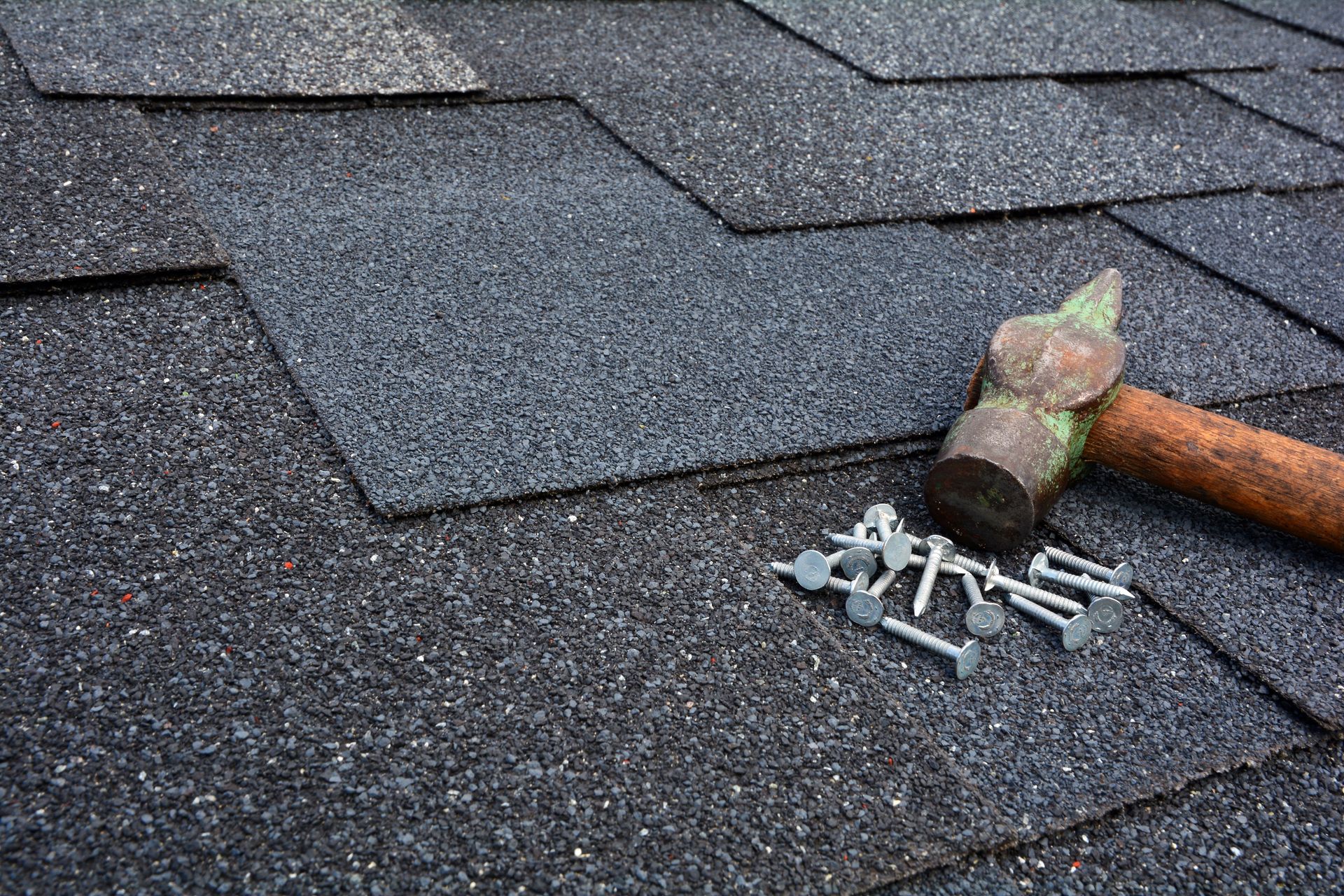
Early symptoms of distress frequently appear in subtle ways that escape notice from ground level. Curling shingle edges, minor asphalt blistering, and hairline separations around vent collars signal early stages of material breakdown. Inside an attic, rust marks on framing nails, localized humidity spikes, or small dark spots along the roof decking reveal that water vapor has breached the exterior perimeter. Arranging for regular roof repair when these early signs first appear prevents superficial decay from compromising essential support decking.
Examining the Mechanics of Professional Interventions
Systematic evaluation and material replacement require specialized knowledge of building science. A licensed contractor evaluates not merely the point where a puncture or missing shingle exists, but also the surrounding structural context that permitted the defect to develop.
Performing Comprehensive System Evaluations
Thorough inspections establish the true scope of required work. Contractors do not focus exclusively on visible surface damage; they track moisture pathways beneath surrounding assemblies to evaluate rafter health, decking solidness, and attic airflow. Addressing only an isolated surface flaw leaves surrounding moisture pockets trapped, which accelerates wood rot within hidden structural spaces. Qualified technicians confirm that the sub-layers remain dry and sound before applying any replacement components.
Applying Precise Material Techniques
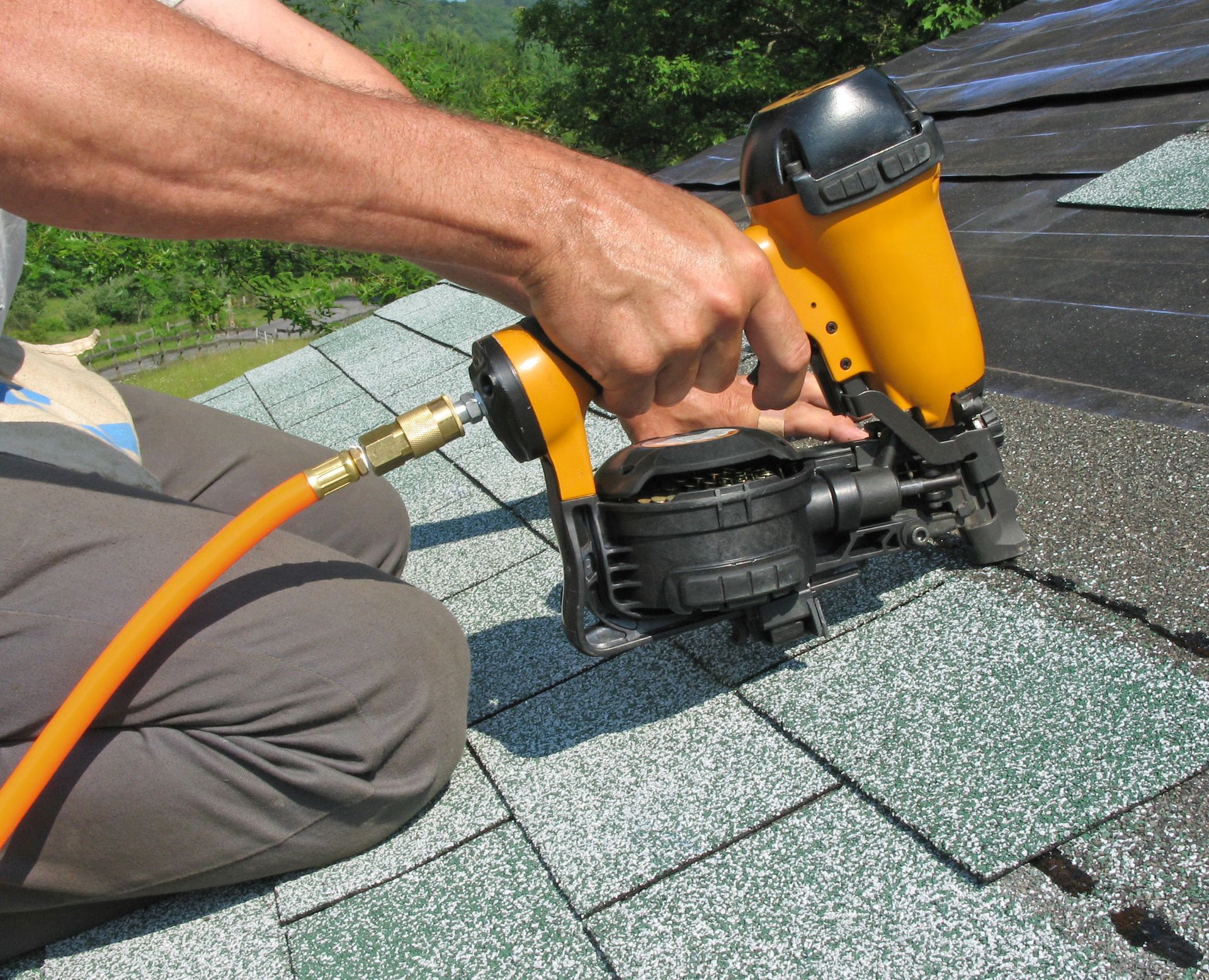
Executing an effective roof repair demands an accurate match of compatible materials and installation techniques. Mixing asphalt compounds that possess incompatible expansion rates or installing fasteners at improper depths creates future failure points. Certified technicians secure flashing aprons, seal plumbing vents with weather-rated membranes, and align replacement shingles so that runoff flows uninterrupted into perimeter drainage channels. Skilled execution safeguards the surrounding roof surface while stabilizing the immediate work area.
Mitigating Water Intrusion and Secondary Structural Damage
Moisture infiltration causes extensive harm well beyond damaged insulation. Once moisture bypasses outer defensive layers, structural timber absorbs the liquid, promoting fungal spread, mold colonies, and weakened framing.
Preventing Wood Decay and Interior Degradation
Decking sheets and support trusses bear substantial dead and live weight, including the roofing assembly itself and seasonal snow accumulation. Sustained dampness softens structural plywood and weakens fastener holding strength. According to Roofing Contractor Magazine, approximately five million residential and commercial structures receive replacement roof systems annually. Many of these total teardowns result directly from unaddressed leaks that rotted structural framing over multiple seasons. Timely roof repair halts moisture ingress immediately, preserving the structural capacity of the wood framing and avoiding extensive framing reconstruction.
Safeguarding Insulation and Energy Efficiency
Saturated attic insulation loses its thermal resistance almost instantly. When fiberglass or cellulose batt absorbs water, air pockets collapse, enabling heat to transfer freely between the attic and conditioned interior rooms. As thermal efficiency declines, heating and cooling equipment runs longer cycles, elevating monthly utility bills. Routine roof repair eliminates hidden leaks that compromise attic insulation, helping maintain interior temperature control and lowering overall mechanical strain on heating and cooling machinery.
Enhancing Roof Longevity Through Preventive Care
Building owners who react only to major indoor leaks often replace materials years before necessary. A proactive stance treats every small surface defect as an opportunity to reinforce the entire protective envelope.
Addressing Minor Defects Before Progression Occurs
A broken shingle, an unseated flashing seal, or an exposed nail head might seem inconsequential during mild weather conditions. However, driving rain easily turns a pinpoint defect into an active water conduit. Over several months, capillary action pulls moisture beneath surrounding courses of roofing, expanding the zone of damaged underlayment. Engaging a specialist for targeted roof repair as soon as minor flaws appear isolates the damage to a small surface footprint, which preserves the life expectancy of adjacent sections.
Maintaining Proper Attic Airflow and Temperature Balance
A durable overhead system relies heavily on balanced ventilation. Excess summer heat baking inside an unventilated attic space essentially cooks shingles from beneath, causing premature blistering and curling. In winter months, warm indoor air rising into a poorly ventilated attic melts snow on the upper deck, which refreezes at cooler eaves to create destructive ice dams. Standard roof repair procedures routinely involve clearing blocked soffits, resealing ridge vents, and ensuring intake and exhaust ratios remain balanced to prevent thermal breakdown of exterior materials.
Preserving Structural Value and Operational Readiness
Real estate assets require active protection to retain market valuation and architectural safety. The condition of the exterior envelope influences property evaluations, building inspections, and insurance compliance.
Protecting Commercial and Residential Asset Value
Appraisers, building inspectors, and prospective purchasers scrutinize the condition of the exterior envelope. A property exhibiting unaddressed storm damage or missing components signals deferred maintenance throughout the rest of the facility. Investing in routine roof repair creates an established paper trail of proper building stewardship, demonstrating that the property has been preserved against systemic water intrusion and timber deterioration.
Reducing Disruptions to Building Occupants
Emergency roof failures create significant inconvenience for homeowners and commercial tenants alike. Internal leaks ruin furniture, disrupt everyday operations, damage drywall, and demand immediate temporary water catchment measures. Conducting scheduled roof repair allows property owners to resolve potential failure points during convenient timeframes, avoiding the chaos, emergency service coordination, and interior repair work that accompany sudden water breaches during severe weather events.
Sustaining Long-Term Protection for Your Structure
A roof system functions as a continuous shield, and its durability depends on the condition of each individual component. Environmental pressures, temperature fluctuations, and severe weather patterns steadily erode exterior defenses, but thoughtful maintenance balances the equation. Scheduling an inspection and addressing isolated flashing separations, cracked tiles, or degraded shingles preserves structural framing, sustains interior thermal performance, and extends the operational life of the entire system. Timely, professional
roof repair ensures that small exterior defects do not develop into structural hazards that require premature full-scale replacement. Property owners seeking to protect their investments and maintain structural integrity across every season can schedule an evaluation with the experienced team at Restore Roofing.